Let’s talk about the main character in our metabolic story: carbohydrates.
Think of insulin as the super-efficient doorman for your body’s cells. When you eat carbs—from bread to candy—they turn into glucose (a type of sugar) in your blood. This signals your pancreas to send out the insulin doorman to open the cell doors and usher that glucose inside for energy.
-
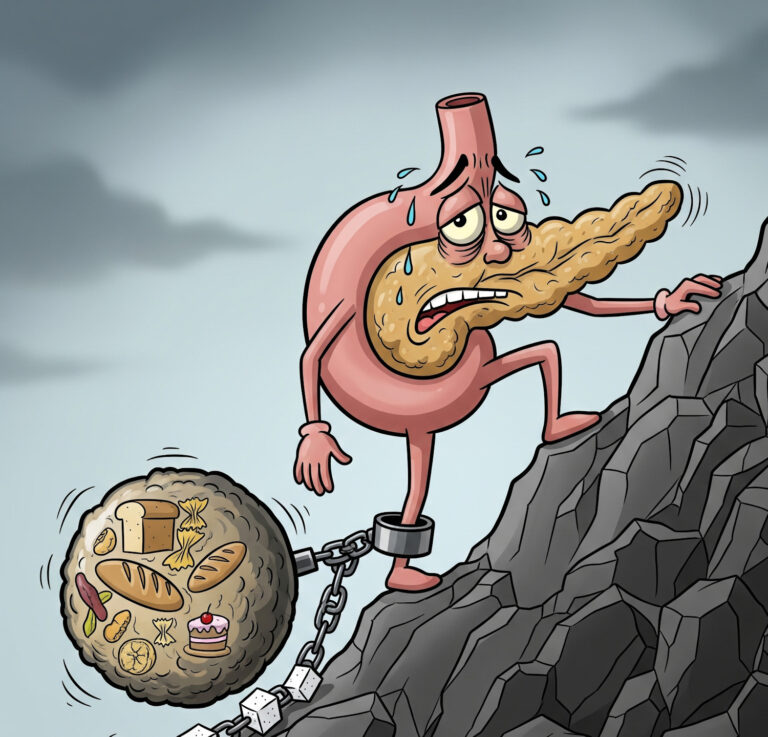
Refined carbs like sugar and flour create a massive, sudden crowd, causing a huge insulin rush.
-
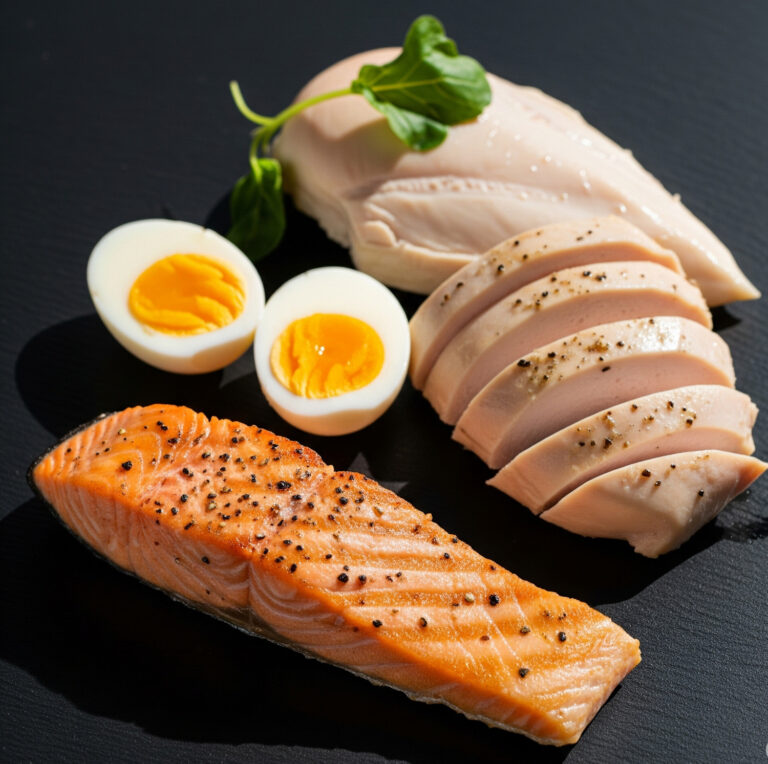
In comparison, protein barely calls for the doorman’s attention
-
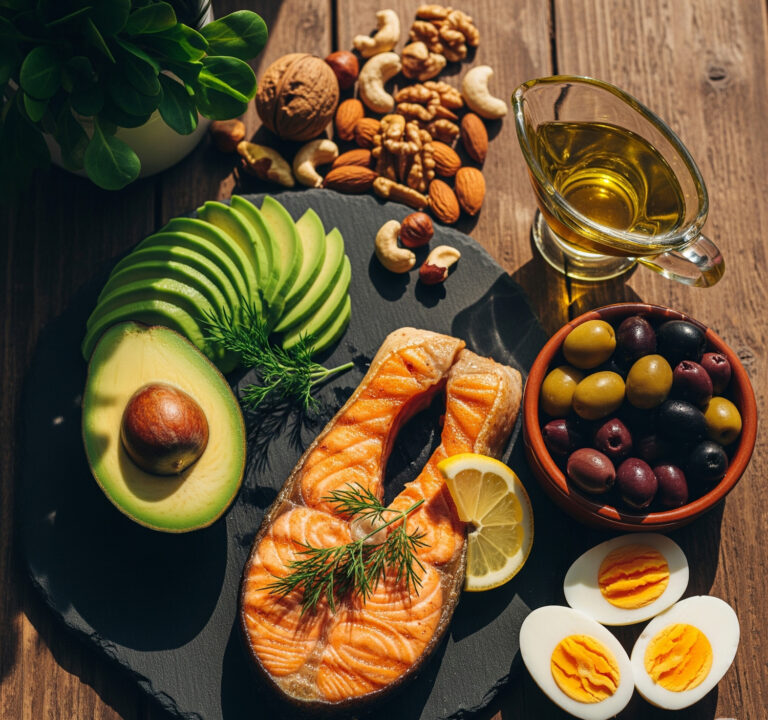
and fats? It pretty much strolls by without needing the door held at all.
So, what’s the problem?
The problem begins when the party never stops. If you’re constantly eating a diet high in carbs, that massive crowd is at the door 24/7. Your insulin doorman is always on duty, constantly shouting to get the glucose inside.
Eventually, your cells get tired of the non-stop racket. They become ‘deaf’ to the doorman’s call, and this is the very definition of insulin resistance.
By understanding this direct link, the strategy becomes crystal clear: to lower the chronically high insulin, you have to manage the primary thing that summons it. Reducing your carbohydrate intake gives your cellular doorman a much-needed break and allows your cells to finally start listening again.